The Middle East finds itself plunged into an unprecedented era of instability following a series of joint US-Israeli military strikes against Iran. In a development that has sent shockwaves across the globe, reports confirm the death of Iran's Supreme Leader, Ayatollah Ali Khamenei, alongside several top security officials, in what has been described as a coordinated and devastating offensive. This seismic event, an overt escalation of long-simmering tensions, has ignited fears of a wider regional conflict, as the international community grapples with the fallout from an israel teheran angriff of immense proportions.
A Region on the Brink: The Initial Strikes and Fallout
The coordinated US-Israeli operation marked a dramatic turning point in the geopolitical landscape. President Donald Trump confirmed that US forces had targeted Iran's three main nuclear sites, warning of further devastating attacks if Tehran did not agree to peace. He lauded the strikes as a "spectacular military success," signaling a clear intent to dismantle Iran's capabilities and leadership. Senator Lindsey Graham echoed this sentiment, publicly applauding the offensive and stating, "The mothership of terrorism is sinking. The captain is dead. The largest state sponsor of terrorism, Iran, is close to collapsing." This bold declaration underscores the perceived strategic victory by Washington and Tel Aviv, yet it simultaneously highlights the profound risk of unforeseen consequences.
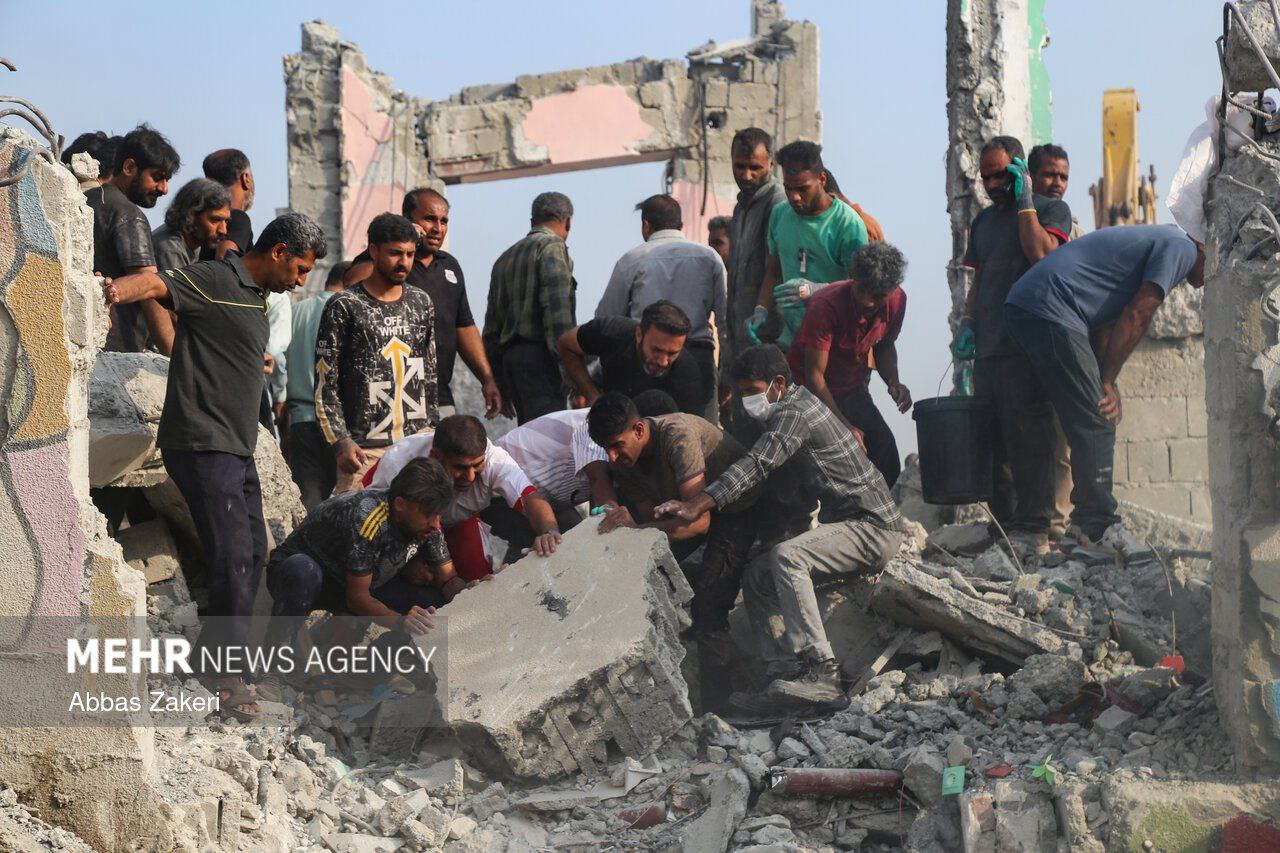
The immediate human cost has been significant. Reports indicate that three US soldiers were killed and five seriously wounded while based in Kuwait, casualties that President Trump suggested were "inevitable." On the Israeli side, an Iranian missile attack on Beit Shemesh resulted in the deaths of nine people, with 11 still missing as search-and-rescue efforts continue. These early losses on both sides underscore the perilous nature of this new phase of conflict, demonstrating that the US-Israel Attacks on Iran: Casualties, Retaliation & Global Fallout are already profound and far-reaching. The elimination of Ayatollah Ali Khamenei, the spiritual and political leader of Iran for decades, represents an immense blow to the Islamic Republic's structure and could precipitate a period of internal chaos and an uncertain power vacuum.
Iran's Defiant Response and Escalating Tensions
In the wake of the leadership decapitation, Iran has not remained silent. The nation's Revolutionary Guard has vowed to launch its "most intense offensive operation" ever against Israeli and US military installations. This threat quickly manifested in counterattacks, with Iranian forces striking US bases in Bahrain and the UAE. While the US military denied Iranian claims that the USS Abraham Lincoln aircraft carrier was hit, stating missiles "didn't even come close," the intent behind these retaliatory strikes is clear: Iran will respond to aggression, irrespective of the losses it has suffered.
The internal situation in Iran appears volatile. A planned funeral for Supreme Leader Ayatollah Ali Khamenei was reportedly postponed amid explosions, hinting at potential unrest or further attacks within the country. This internal instability, coupled with external military pressure, creates a highly unpredictable environment. The risk of miscalculation remains exceptionally high, as both sides appear committed to demonstrating strength and resolve. The tit-for-tat nature of these engagements, where every action by one party elicits a reaction from the other, is quickly transforming the region into a dangerous tinderbox, marking a new chapter in the ongoing Middle East on Edge: Iran Retaliates Against US & Israel. The escalation of this israel teheran angriff scenario presents an alarming trajectory for regional peace.
Global Reactions and the Quest for Stability
The international community has reacted with a mix of alarm, condemnation, and calls for restraint. Canadian leadership publicly questioned whether the US-Israeli attacks on Iran were consistent with international law, reflecting concerns about sovereignty and the legal justification for such extensive military action. Globally, reactions have been diverse, ranging from angry protests in some regions to celebrations in others, particularly among those who oppose the Iranian regime. Many world leaders have urgently called for a return to negotiations, emphasizing the catastrophic potential of an all-out war.
Regional players, particularly the Gulf states, find themselves on high alert. The Gulf Cooperation Council (GCC), comprising the UAE, Bahrain, Saudi Arabia, Oman, Qatar, and Kuwait, convened via video-link to formulate a unified response. All six states have experienced Iranian strikes and expressed grave concerns. A statement released after the meeting affirmed their collective pledge to defend themselves against Iranian attacks, including the "option of responding to the aggression" if necessary. They "reviewed the extensive damage resulting from the treacherous Iranian attacks" and discussed steps for restoring stability. The GCC ministers also underscored that the stability of the "Gulf region is not merely a regional concern but a fundamental pillar of global economic stability," highlighting the broader implications for the world economy, especially oil markets.
Even allies of the US are being drawn into the fray. UK Prime Minister Keir Starmer confirmed his acceptance of a US request to use UK bases for “defensive” strikes against Iran, indicating the far-reaching nature of this conflict and the solidarity being forged between Western powers in response to perceived Iranian aggression.
Navigating the Path Forward: Challenges and Considerations
The immediate aftermath of such a dramatic escalation presents immense challenges. The elimination of Iran's top leadership creates a significant power vacuum, potentially leading to internal strife or a more radicalized regime seeking vengeance. For the US, a critical concern highlighted by lawmakers from both major political parties is the apparent lack of a "day-after" strategy for Iran. Without a clear plan for managing the transition or rebuilding, the initial military success could quickly devolve into a prolonged period of instability, insurgency, and regional chaos. This absence of a comprehensive strategy raises questions about the long-term goals and feasibility of such a high-stakes intervention.
Practical considerations for navigating this volatile environment involve several crucial aspects:
- De-escalation Diplomacy: The urgent need for international mediators to engage both sides and prevent further military exchanges is paramount. Open channels of communication, even indirect ones, are vital.
- Humanitarian Concerns: As the conflict escalates, the potential for a humanitarian crisis across the region grows significantly. International organizations must be prepared to respond to mass displacements and aid requirements.
- Economic Impact: The global economy, particularly energy markets, will face severe shocks. Understanding and mitigating these impacts will require coordinated international efforts.
- Cyber Warfare: Beyond conventional strikes, the potential for large-scale cyberattacks targeting critical infrastructure in all involved nations remains a significant threat, adding another layer of complexity to the conflict.
- Information Verification: In times of conflict, misinformation abounds. Relying on multiple, reputable news sources and official statements is crucial for citizens and policymakers alike to discern accurate information.
The current situation exemplifies the severe consequences when geopolitical tensions boil over into direct military confrontation. The sheer scale of the israel teheran angriff and its ripple effects demand immediate and thoughtful engagement from all global stakeholders to prevent an even wider catastrophe.
The targeted strikes against Iran's leadership and strategic sites by the US and Israel have irrevocably altered the dynamics of the Middle East. While proponents argue that these actions were necessary to neutralize a significant threat, the immediate fallout has brought the region to the brink of a full-scale war. With casualties mounting, retaliatory strikes underway, and global reactions ranging from condemnation to concern, the path forward is fraught with peril. The absence of a clear "day-after" strategy and the deep-seated grievances on all sides underscore the urgent need for robust international diplomacy to pull the region back from the precipice, lest the conflict spiral into an even more destructive and far-reaching conflagration.