US-Israel Attacks on Iran: Casualties, Retaliation & Global Fallout
The Middle East has been plunged into a new era of profound instability following recent, unprecedented joint US-Israeli military actions against Iran. These strikes, marking a significant escalation in the long-simmering tensions, have resulted in substantial casualties on multiple fronts, triggered immediate retaliatory actions from Tehran, and elicited a complex tapestry of global reactions. The very foundations of regional stability, and indeed global economic equilibrium, are now being tested as the international community grapples with the fallout from these dramatic developments.
Escalation of Conflict: US-Israel Strikes and Iranian Leadership
The current crisis reached a critical inflection point with coordinated US-Israeli attacks targeting key Iranian assets and leadership figures. President Donald Trump confirmed late on Saturday that US forces struck Iran’s three main nuclear sites, issuing a stern warning to Tehran of more devastating attacks should it fail to agree to peace. This decision to join Israel's military campaign represents a major escalation, reshaping the geopolitical landscape of the region.
The most significant and perhaps most shocking development was the killing of Iran's Supreme Leader, Ayatollah Ali Khamenei, during a joint US-Israeli attack. Top security officials were also reportedly killed in these strikes, dealing a severe blow to the Islamic Republic's command structure. Republican Senator Lindsey Graham lauded these actions, stating, “The mothership of terrorism is sinking. The captain is dead. The largest state sponsor of terrorism, Iran, is close to collapsing. The leader of the largest state sponsor of terrorism and his inner team are dead.” This sentiment underscores the strategic intent behind targeting Iran's top leadership. For a deeper dive into these initial strikes, read Khamenei Killed: US-Israel Strikes Escalate Iran Conflict.
Such an aggressive posture, particularly the elimination of a supreme leader, is a rare and highly provocative act in modern international relations, signaling a profound shift in how the US and Israel intend to address the Iranian challenge. It has undoubtedly created a power vacuum and immense uncertainty within Iran, whose leadership and future direction are now in question.
Casualties Mount Amidst Iranian Retaliation
The aggressive US-Israeli actions were met with swift and violent retaliation from Iran, leading to a tragic increase in casualties on both sides. On the American front, three US soldiers were killed and five seriously wounded. These troops were reportedly based in Kuwait, and President Trump suggested that more casualties are an inevitable consequence of the ongoing military campaign. The human cost highlights the inherent risks of such high-stakes military engagements.
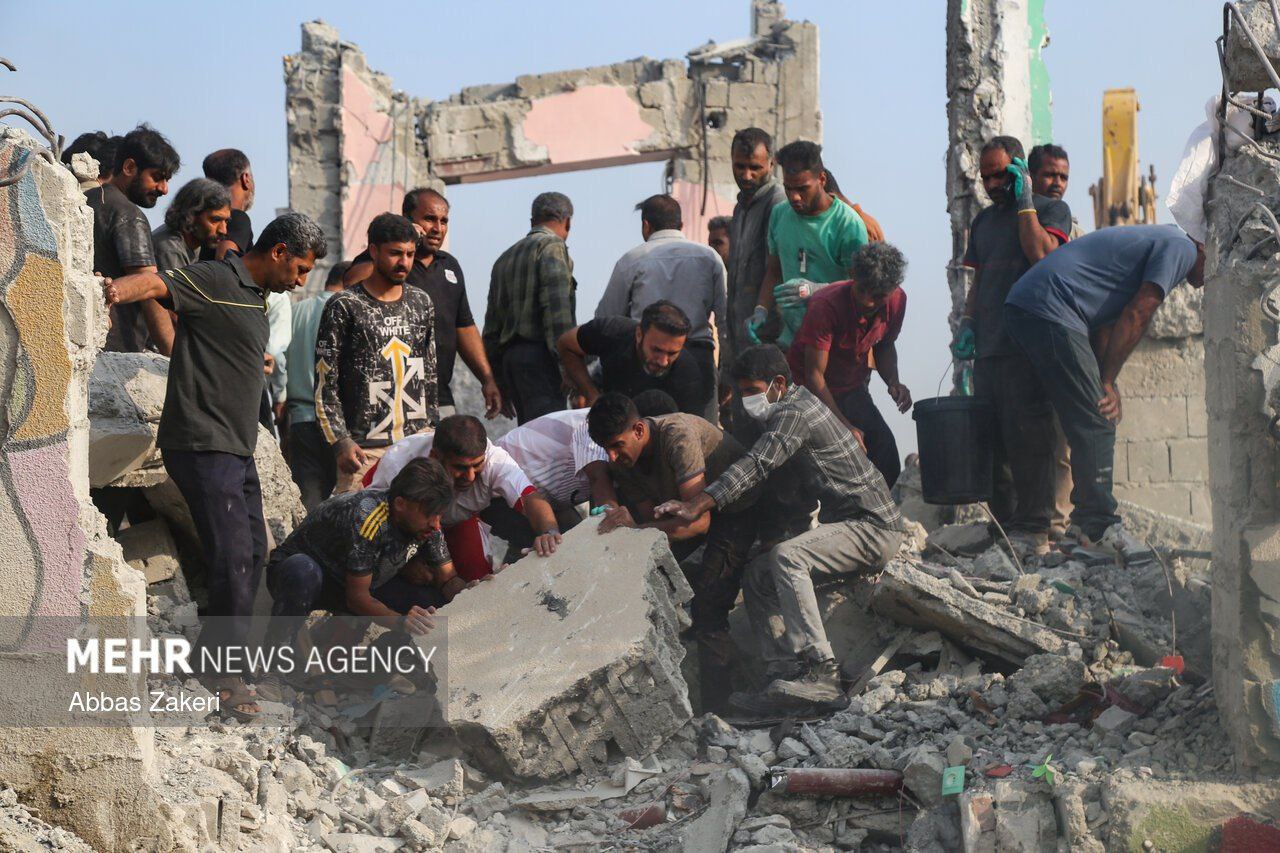
Israel also suffered significant losses. Following an Iranian missile attack on Beit Shemesh, Israeli police confirmed nine people killed and 11 missing, as search-and-rescue teams continued their desperate efforts to find survivors. These immediate responses from Tehran demonstrate its capability and resolve to strike back at perceived aggressors, turning the conflict into a deadly exchange.
Iran’s counterattacks specifically targeted US bases in Bahrain and the UAE. While the US military denied Iranian claims that the USS Abraham Lincoln aircraft carrier was struck with ballistic missiles, stating the "missiles launched didn't even come close," the fact remains that US installations in the region were direct targets. Iran’s Revolutionary Guard has since threatened to launch its "most intense offensive operation" ever on Israeli and US military installations, signaling a clear intention for further escalation. To understand more about Iran's response, consider reading Middle East on Edge: Iran Retaliates Against US & Israel.
These rapid cycles of attack and retaliation underscore the extreme volatility of the current situation. Each strike carries the potential for a disproportionate response, threatening to spiral into a much broader regional conflict.
Global Reactions and the Search for Stability
The US-Israel attacks on Iran, and subsequent Iranian counter-responses, have reverberated across the globe, eliciting a wide spectrum of reactions, from condemnation and calls for de-escalation to outright support and celebration.
- International Law and Diplomacy: The Canadian leader expressed concerns that the US-Israeli attacks on Iran appear to be "inconsistent with international law," reflecting a common sentiment among some nations regarding the legality and implications of such strikes. Many world leaders have called for a swift return to negotiations, recognizing the immense danger of an uncontained conflict.
- Regional Unity and Defense: The Gulf Cooperation Council (GCC) states—the UAE, Bahrain, Saudi Arabia, Oman, Qatar, and Kuwait—convened via video-link to formulate a unified response. Having all experienced Iranian strikes, they reviewed the extensive damage and discussed steps for restoring stability. A statement released after the meeting affirmed that Gulf countries "will take all necessary measures to defend their security and stability and to protect their territories, citizens, and residents, including the option of responding to the aggression." They called for an "immediate cessation of these attacks," emphasizing that the "stability of the Gulf region is not merely a regional concern but a fundamental pillar of global economic stability."
- International Support: UK Prime Minister Keir Starmer announced his acceptance of a request from the US to use UK bases for "defensive" strikes against Iran, signaling a degree of international backing for the US position.
- US Internal Debate and Strategy Vacuum: Domestically, US President Trump urged Iranians to rise up to topple the Islamic Republic, a day after the joint US-Israeli attack that killed Khamenei. However, lawmakers from both major US political parties have expressed concern that the US administration has yet to spell out a comprehensive "day-after" strategy for Iran, especially after the country's leadership has been so severely decapitated. This lack of a clear post-conflict plan adds another layer of uncertainty to an already volatile situation.
- Public Sentiment: Globally, the strikes have elicited mixed reactions, including angry protests in some quarters and celebrations in others, highlighting the deeply divisive nature of the conflict and its broad implications. The funeral for Ayatollah Ali Khamenei, for instance, had to be postponed amid reports of explosions.
Navigating an Unstable Middle East: Risks and the Path Forward
The current events mark a dangerous new chapter in the Middle East, with profound and far-reaching implications. The targeting and killing of Iran's Supreme Leader and other senior officials is an unprecedented act that has created a significant power vacuum within Iran. This could lead to internal instability, a fragmented leadership, or potentially even more radical elements taking control, making future engagement even more complex.
Key Considerations for the Future:
- The Need for a "Day-After" Strategy: The absence of a clear plan for Iran's future following the decimation of its leadership is a critical concern. Without a thoughtful and comprehensive strategy, there is a substantial risk of unintended consequences, including further destabilization of the region, humanitarian crises, or the rise of new extremist groups.
- Economic Ramifications: As highlighted by the GCC states, the stability of the Gulf region is crucial for global economic stability. Any prolonged conflict or disruption to oil shipping lanes could have catastrophic effects on global energy markets and international trade. Investors and businesses worldwide are closely monitoring developments.
- Regional Alliances and Realignments: The conflict is forcing regional actors to reassess their allegiances and security postures. The unified stance of the GCC demonstrates a move towards collective defense, but it also underscores the increased threat perception from Iran.
- The Role of International Diplomacy: Despite the current military actions, the long-term resolution will inevitably require robust diplomatic efforts. International bodies and non-aligned nations will play a crucial role in advocating for de-escalation, establishing channels for communication, and fostering a framework for future negotiations.
For individuals and organizations attempting to understand this complex situation, it is paramount to seek information from diverse and credible sources, analyze geopolitical shifts critically, and recognize that the implications extend far beyond the immediate conflict zone. The region's intricate history and network of alliances mean that seemingly isolated events can quickly cascade into broader crises.
The US-Israeli attacks on Iran represent an unprecedented escalation in an already volatile region, with significant casualties on all sides and a dangerous cycle of retaliation. The killing of Iran's Supreme Leader, coupled with strikes on nuclear sites, has fundamentally altered the geopolitical landscape. While the international community grapples with mixed reactions and a palpable sense of apprehension, the urgent need for a cohesive "day-after" strategy and renewed diplomatic efforts remains paramount. Without a clear path forward, the Middle East and indeed the world face an uncertain and potentially perilous future.